Part 1: What Is a Domain Name, and Why Does It Matter?
Reading time · 6 minutes
Imagine opening a retail store in the middle of a city. Before customers can visit, you need an address. The internet works the same way.
A domain name is your website’s address on the internet. It’s how people find you online without having to remember a long string of numbers.
For example:
google.comamazon.comyourbusiness.com
Instead of typing a complicated IP address like 142.250.190.78, visitors simply type a domain name and arrive at your website.
If you’re thinking about launching a website, starting a business, creating a portfolio, or opening an online store, your domain name is often the very first thing you should secure.
What Exactly Is a Domain Name?
Think of a domain name as your digital street address.
Your website lives on a server somewhere in the world, just as a business occupies a building somewhere in a city.
The domain name connects people to that location.
Without a domain name:
❌ Customers would need to remember a numeric IP address.
❌ Your business would look less professional.
❌ Building trust would be much harder.
With a domain name:
✅ People can find you easily.
✅ Your brand looks professional.
✅ You can create business email addresses like [email protected].
✅ You establish your online identity.
Why Is Choosing a Good Domain Name Important?
Your domain name becomes part of your brand.
Think about some of the most recognizable businesses in the world:
- Amazon
- Apple
Their domain names are:
- Google.com
- Amazon.com
- Apple.com
Domains should be :
– Simple.
– Easy to remember.
– Easy to spell.
When choosing a domain name, try to make it:
Short : Shorter names are easier to remember.
Easy to Spell :If someone hears it once, they should know how to type it.
Brandable: A unique name often performs better than stuffing keywords into it.
Future-Proof: Avoid names that limit future growth.
For example:
BloomingBrands.com can grow with your business.
BostonWebDesignExperts2026.com might become outdated.
How Do You Get a Domain Name?
Getting a domain is surprisingly simple. Starts by finding you a reputable Domain Registrar for a worry free option we can register your domain name with our partner company Nodes Unlimited.
Or you can register with other Domain Registrars like Namecheap or GoDaddy. Once you have a domain registered follow the steps below:
Step 1 : Search Availability
Check whether your desired name is available.
For example:
- mygreatbusiness.com
- mygreatbusiness.net
- mygreatbusiness.org
Only one person or company can own a specific domain at a time.
If someone already owns it, you’ll need to choose another name or purchase it from the current owner if they’re willing to sell.
Step 2: Register It, or we can register it for you
You register the domain through a domain registrar.
A registrar is a company authorized to manage domain registrations.
Step 3: Pay the Registration Fee
(annual fee paid same time every year)
You typically pay between:
$10–$25 per year for many common extensions
Premium domains may cost hundreds, thousands, or even millions of dollars
Wait… Do I Actually Own My Domain Forever?
This is one of the biggest misconceptions online.
The answer is:
No.
A domain name is more like leasing property than buying it outright.
When you register a domain:
- You receive exclusive rights to use it.
- You keep those rights as long as you continue renewing it.
- If you stop renewing it, the domain eventually becomes available for someone else to register.
Think of it like a vehicle registration.
You have control over it while it’s active, but there are ongoing renewal requirements.
What Happens If You Forget to Renew?
Each domain registrar has a grace. period passed that period your domain usually is offered to lease to someone else.
Here’s a common scenario:
- A business owner registers a domain.
- The website becomes successful.
- Years pass.
- The credit card on file expires.
- Renewal fails.
- The domain expires.
- Someone else purchases it.
Now customers can no longer find the original business website.
In some cases, recovering an expired domain can cost hundreds or thousands of dollars.
This is why keeping your contact information current and enabling auto-renewal is extremely important, or you let us manage this for you from the start and you’ll never have to worry about it.
What Responsibilities Come With Owning a Domain?
Owning a domain is not difficult, but there are a few responsibilities.
1. Keep It Renewed
The most important responsibility.
Set up auto-renewal whenever possible.
2. Maintain Accurate Contact Information
Domain registrations require valid contact details.
If ownership questions arise, accurate information can help prove your rights.
3. Protect Your Account
Use:
- Strong passwords
- Two-factor authentication (2FA)
- Secure email accounts
If someone gains access to your registrar account, they may be able to transfer control of your domain.
4. Monitor Expiration Dates
Even with auto-renewal enabled, it’s smart to verify renewals are processing successfully.
5. Understand What You Own
A domain name is not the same thing as:
- Website hosting
- Email hosting
- Website design
- SEO services
Think of it this way:
| Item | What It Is |
|---|---|
| Domain Name | Your address |
| Website Hosting | The building |
| Website | The store itself |
| Email Hosting | Your business mailbox |
You need all of these pieces working together to create a professional online presence.
Common Domain Name Myths
Myth #1: “Once I Register It, It’s Mine Forever”
False.
Domains must be renewed.
Myth #2: “Buying Hosting Means I Own My Domain”
False.
Hosting and domain registration are separate services.
Myth #3: “I Need a .com”
Not necessarily.
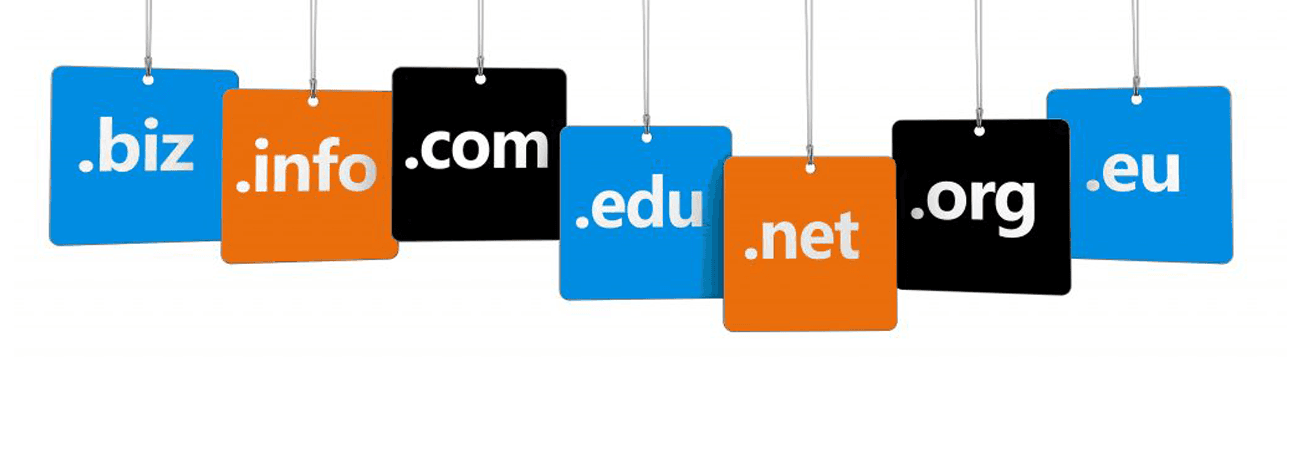
While .com remains the most recognized extension, many successful businesses use:
- .net
- .org
- .io
- .co
- .ai
The best extension depends on your goals and audience.
Myth #4: “The Cheapest Domain Registrar Is Always Best”
Not always.
Security, support, account protection, and transparent pricing often matter more than saving a few dollars per year.
Before You Register Your First Domain
Ask yourself:
✓ Is the name easy to remember?
✓ Is it easy to spell?
✓ Does it reflect my brand?
✓ Will it still make sense five years from now?
✓ Is it available on social media platforms as well?
A little planning today can save a lot of headaches later.
Final Thoughts
Every website begins with a domain name.
It’s your digital address, your online identity, and often the first impression potential customers have of your business.
Choosing the right domain isn’t about finding the cleverest name—it’s about creating something people can remember, trust, and find easily.
Secure it, protect it, renew it, and treat it like the valuable business asset it is.
Because before you build a website, launch a store, start a blog, or grow a brand…
You need an address.
Next in the Series
So You Want to Build a Website? Start Here — Part 2: What Is Website Hosting, and Why Does Your Site Need It?
We’ll explain where websites actually live, how hosting works, and how to avoid common hosting mistakes that can cost businesses time, money, and customers.