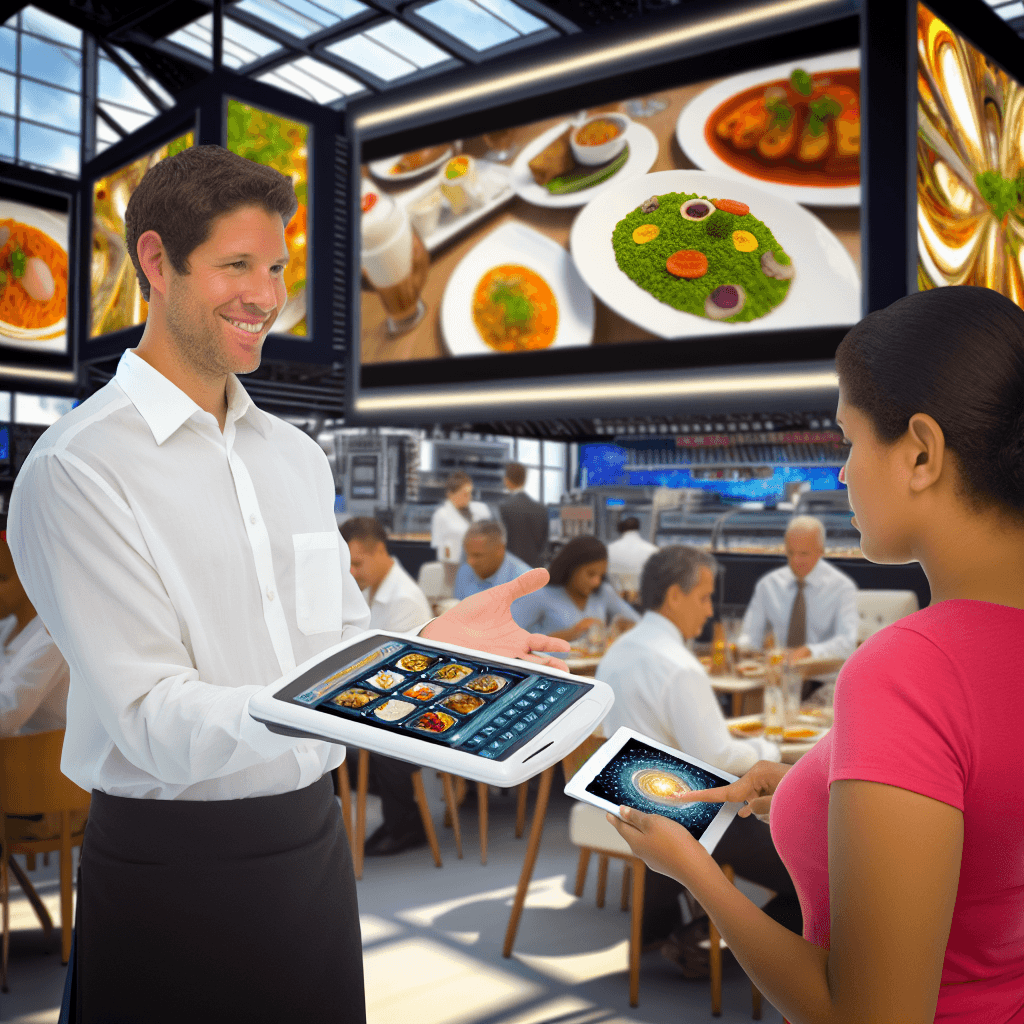
Digital Menu Benefits for Restaurants in 2026
Reading time · 3 minutes
The restaurant industry is changing fast, and in 2026 the digital menu has become more than a convenient replacement for printed lists. It now plays a central role in customer experience, sales, and operational efficiency. From contactless ordering to real-time updates and personalized offers, digital menus help restaurants stay competitive while meeting modern guest expectations. Here is why they matter so much today.
Digital menus improve the guest experience and increase sales
A well-designed digital menu makes it easier for customers to browse, decide, and order without friction. In 2026, diners expect speed, clarity, and convenience, and a digital menu delivers all three. Unlike printed menus, it can include high-quality images, ingredient details, allergen information, and clear pricing updates. This reduces confusion and helps guests feel more confident about their choices.
Digital menus also influence buying behavior. Restaurants can highlight bestsellers, promote seasonal dishes, and use visual cues to guide customers toward higher-margin items. Smart menu organization encourages upselling and cross-selling naturally, such as suggesting drinks, desserts, or add-ons at the right moment. When used effectively, the menu becomes not just an information tool but a revenue driver.
Another major advantage is accessibility. Guests can view the menu on their own devices, in their preferred language, and at their own pace. This is especially valuable for busy service periods, international customers, and people with dietary restrictions. A digital menu can make a restaurant feel more modern, customer-focused, and inclusive.
They help restaurants operate more efficiently and adapt faster
Beyond customer-facing benefits, digital menus make daily restaurant operations much easier. Updating a printed menu requires reprinting and redistributing materials, which costs time and money. With a digital system, changes can be made instantly. If an item runs out, prices shift, or a new special is introduced, staff can update the menu in real time across all channels.
This flexibility is especially important in 2026, when supply chain changes, seasonal inventory, and fluctuating costs continue to affect restaurants. A digital menu helps owners respond quickly without confusing customers or forcing staff to explain frequent changes. It also supports better coordination between the kitchen and the front of house, since menu availability is easier to manage accurately.
Digital menus can also connect with ordering, payment, and analytics tools. This integration gives restaurants useful data about what customers view, select, and abandon. With those insights, owners can refine menu design, improve profitability, and make smarter business decisions. In a competitive market, this kind of adaptability is essential.
Why digital menus will be a long-term advantage in 2026 and beyond
The importance of the digital menu is not limited to convenience. It reflects a broader shift in how guests interact with restaurants. In 2026, diners value speed, transparency, personalization, and seamless service. Restaurants that offer digital menus are better positioned to meet these expectations while improving internal efficiency and protecting margins.
In many cases, a digital menu also strengthens a restaurant’s brand. It creates a polished, modern impression and allows businesses to present their identity more consistently across in-house dining, takeaway, and delivery. As technology continues to shape hospitality, restaurants that invest in digital menus are not just keeping up; they are preparing for the future.
In summary, digital menus have become a strategic necessity for restaurants in 2026. They improve the guest experience, support sales growth, simplify operations, and help businesses adapt quickly to change. For restaurant owners looking to remain competitive, investing in a strong digital menu is one of the smartest steps they can take.